Digital Weaves: How Payment Flows and Provider Algorithms Connect Table Play with Sports Events in Mobile VIP Structures
Cameron Coleman · Sep 28, 2026
Digital Weaves: How Payment Flows and Provider Algorithms Connect Table Play with Sports Events in Mobile VIP Structures
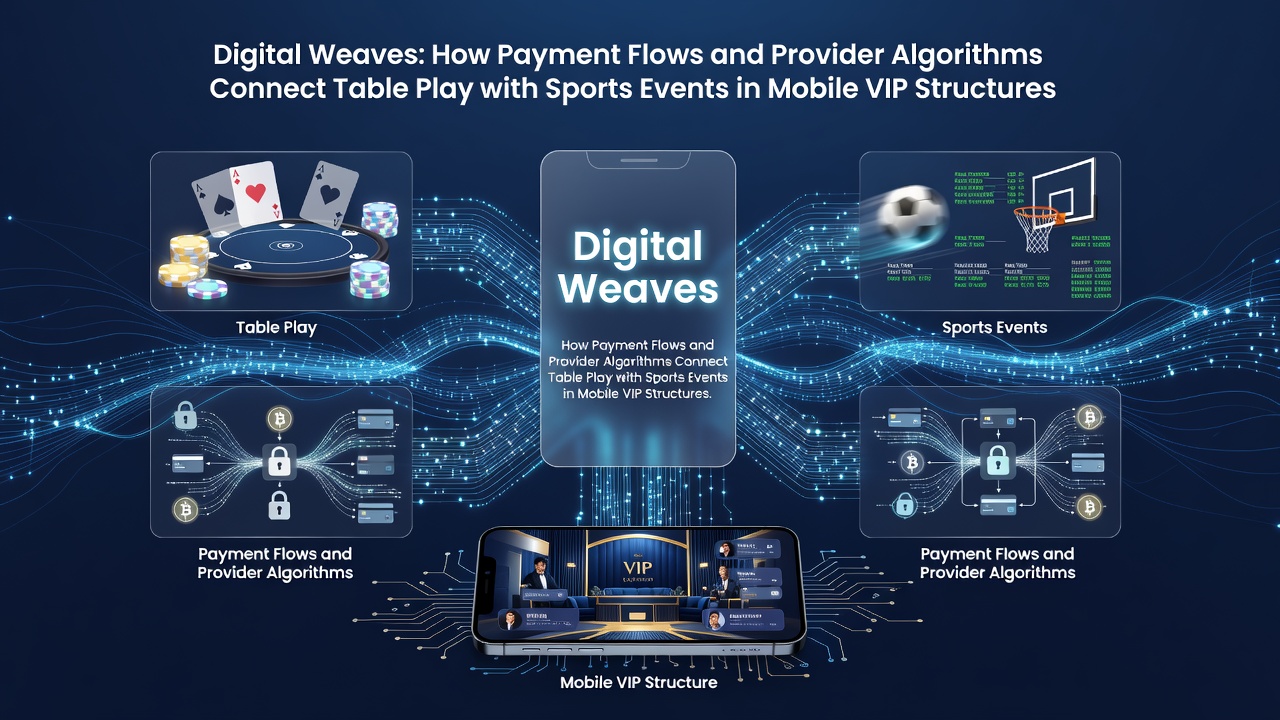
Payment systems and algorithmic frameworks operate together to link table game activity with sports event participation inside mobile VIP environments, and data from industry reports shows these connections rely on real-time transaction processing alongside user behavior tracking.
Payment Infrastructure Foundations
Transaction gateways handle deposits and withdrawals across table sessions and sports wagers simultaneously, while integrated ledgers update balances without separate logins or manual transfers. Mobile applications route funds through unified APIs that recognize both card table decisions and live odds selections, and operators record these movements in centralized databases that feed into loyalty calculations. Research from the European Gaming and Betting Association indicates that seamless payment rails reduce session interruptions by consolidating multiple game types under single account profiles.
Algorithmic Matching Mechanisms
Provider algorithms analyze patterns in table play such as bet sizing and game duration then correlate those metrics with sports event preferences including league selections and stake volumes. These systems assign dynamic VIP points that accumulate across both categories, and the matching occurs through machine learning models trained on historical transaction data. When users complete a blackjack round followed by a football accumulator, the algorithm registers the sequence and adjusts reward eligibility accordingly, and similar processes apply to poker tournaments paired with basketball markets.
Integration in Mobile VIP Structures
VIP tiers incorporate cross-category tracking where table game participation influences sports betting bonuses and vice versa, while payment confirmation triggers instant tier progression notifications on handheld devices. Mobile interfaces display unified dashboards that list available table variants alongside upcoming sports fixtures, and algorithmic recommendations surface based on prior funding patterns. Observers note that these structures maintain separate regulatory compliance layers for each vertical yet merge the underlying data streams for loyalty purposes, and this occurs without violating jurisdictional separation rules.
Developments Through September 2026
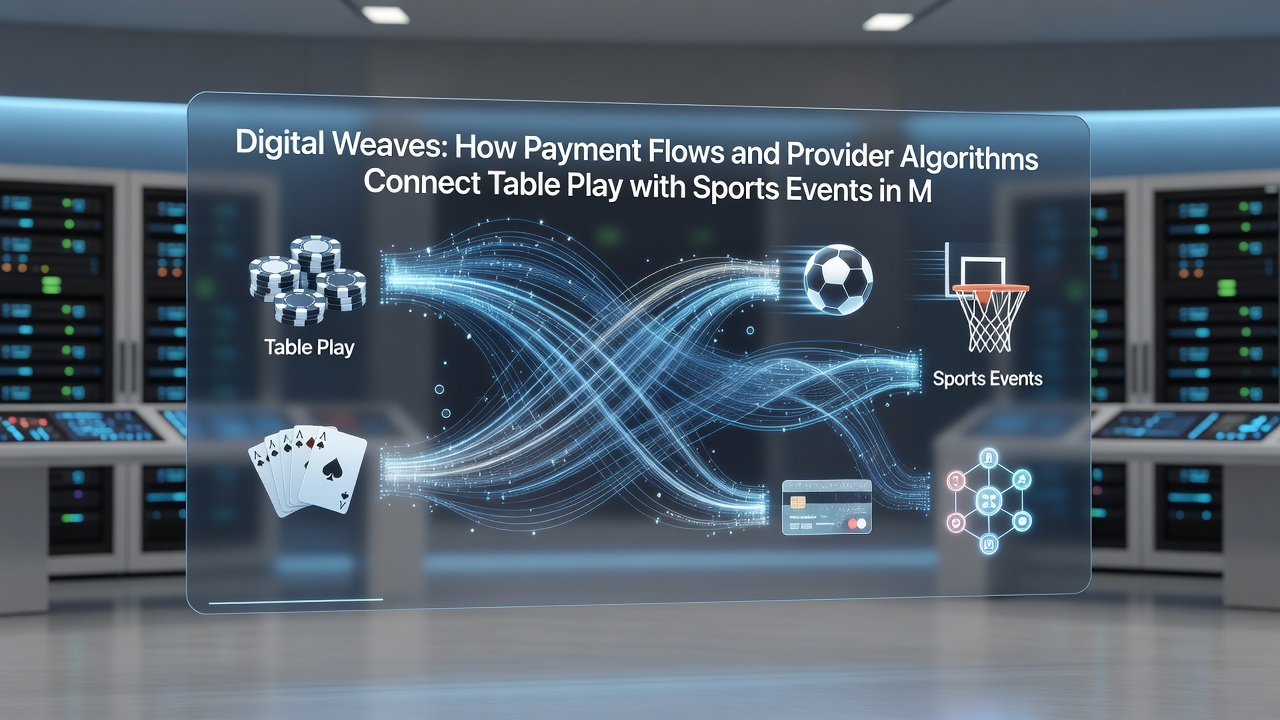
Platform updates rolled out by September 2026 introduced enhanced encryption protocols for combined payment streams that support both table and sports activities, and testing data revealed improved latency during peak event windows. Providers adjusted their algorithms to factor in live sports volatility when calculating table game rewards, resulting in more responsive point allocation systems. Mobile VIP members experienced synchronized cashback offers that activate after table wins and sports losses occur within defined timeframes, and transaction logs confirm the pairings occur automatically through backend scripts.
Regulatory Context from Multiple Regions
Authorities in Ontario and several Australian states require clear separation of game categories in user interfaces even as backend algorithms merge data for VIP purposes, and compliance documentation outlines how payment flows must remain auditable across both table and sports segments. Industry reports from the American Gaming Association highlight that these merged systems undergo regular third-party audits to verify fair point distribution, while academic studies from institutions like the University of Nevada examine the statistical correlations between table engagement and sports betting volumes in mobile environments. Payment processors maintain region-specific licenses that accommodate the integrated structures without requiring separate accounts for each activity type.
Practical Examples of Algorithmic Linkage
One documented case involved a VIP user who transferred funds once and then alternated between roulette sessions and tennis match wagers, with the algorithm registering the combined activity to unlock expedited withdrawal limits. Another instance showed sports event participation boosting table game rakeback percentages through shared payment verification steps, and these outcomes appear consistently in operator analytics dashboards. Providers implement these linkages using timestamped transaction records that feed into scoring engines, ensuring that neither category operates in isolation within the VIP framework.
Conclusion
The connections between table play and sports events in mobile VIP structures depend on coordinated payment flows and algorithmic processing that track activity across categories, and available data confirms these mechanisms operate within established regulatory boundaries across multiple jurisdictions. Continued platform refinements through late 2026 maintain the technical linkages while preserving category distinctions required by oversight bodies.