Networked Foundations: Payment Systems Connecting Game Outputs to Mobile Reward Tiers
Cameron Coleman · Aug 5, 2026
Networked Foundations: Payment Systems Connecting Game Outputs to Mobile Reward Tiers
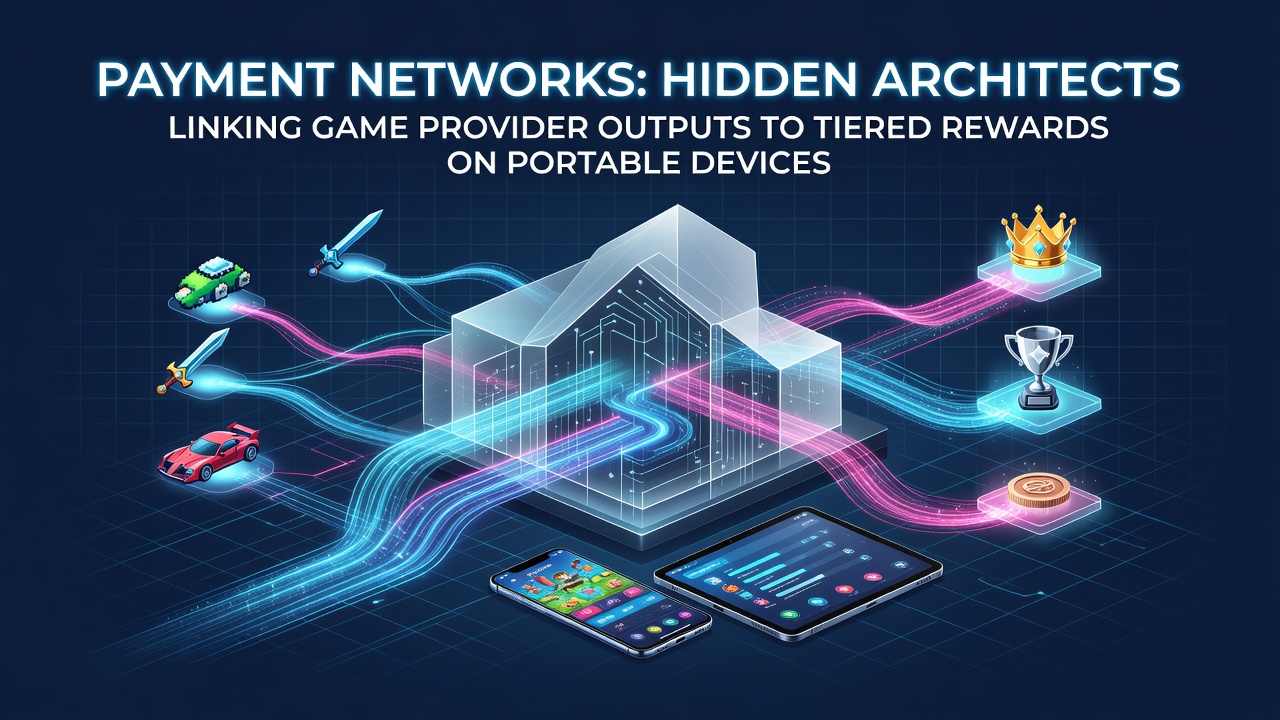
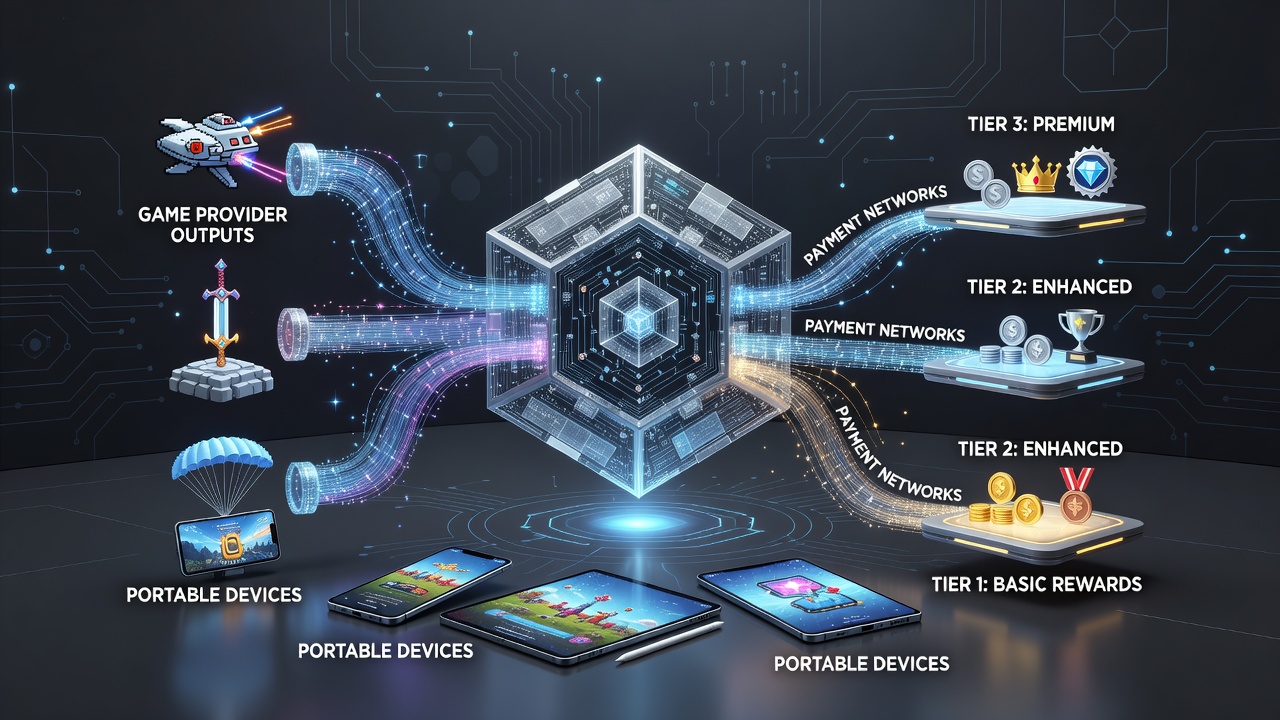
Payment networks operate as core infrastructure that transmits data from game providers directly into tiered reward mechanisms on portable devices, and this process relies on standardized protocols that process transaction records alongside gameplay metrics. In August 2026, these systems continue to evolve through integrations that handle real-time outputs from digital entertainment platforms while feeding information into loyalty structures accessible via smartphones and tablets.
Data Pathways in Action
Game providers generate outputs such as session durations, achievement markers, and financial transfers, which payment networks then route through secure channels to centralized reward engines, and this routing occurs without direct user intervention once initial setups are complete. Observers note that protocols like those based on ISO 20022 standards facilitate the exchange of structured messages between disparate systems, ensuring that mobile applications receive updated tier information within seconds of activity completion. Researchers at institutions focused on digital economies have documented how these connections reduce latency in reward allocation, with figures from industry analyses showing average processing times dropping below 200 milliseconds in optimized environments.
Portable devices serve as endpoints where users interact wth tiered programs, yet the underlying networks manage the synchronization across multiple providers simultaneously, and this management includes encryption layers that protect both transaction details and personal identifiers during transit. One case examined by analysts involved a platform that linked slot machine results to progressive loyalty points, demonstrating how payment rails carried the necessary metadata to trigger automatic upgrades without additional verification steps.
Integration Mechanisms Across Regions
Regional variations shape how these networks function, with North American frameworks emphasizing compliance with state-level data standards while European models incorporate directives on electronic payments that influence cross-border reward transfers. According to reports from the American Gaming Association, payment architectures in regulated markets now support multi-provider aggregation, allowing outputs from various game studios to converge into unified mobile dashboards. This convergence happens through application programming interfaces that standardize data formats, and it enables tier calculations based on combined activity across games rather than isolated sessions.
Meanwhile, studies from Australian research centers have tracked similar patterns in handheld gaming ecosystems, where networks process micro-transactions and feed them into escalating reward brackets. Those who've examined the logs observe that error rates in data handoffs have declined steadily since 2024, largely due to redundant verification nodes embedded in the payment layers themselves.
Security and Scalability Factors
Security protocols within payment networks incorporate tokenization techniques that replace sensitive account details with temporary identifiers, and this substitution occurs before data reaches reward calculation modules on mobile devices. Scalability becomes relevant when volumes spike during peak usage periods, at which point distributed ledger elements sometimes supplement traditional rails to maintain throughput. Data from the OECD digital economy reports indicates that such hybrid approaches have supported transaction growth rates exceeding 15 percent annually in several markets through mid-2026.
Device-specific adaptations further refine these connections, as operating systems on portable hardware enforce sandboxing rules that isolate payment traffic from other applications, and developers adjust accordingly by embedding lightweight SDKs that communicate exclusively with approved network endpoints. This setup ensures that tier updates appear consistently regardless of the hardware manufacturer or carrier network involved.
Future Trajectories in Network Design
Developments underway focus on greater interoperability between legacy payment systems and emerging digital asset frameworks, which could expand teh types of game outputs eligible for tier progression on mobile platforms. Technical working groups have outlined specifications that would allow reward engines to ingest non-monetary metrics, such as social sharing indicators, provided they pass through authenticated payment channels first. Those monitoring pilot programs report that early tests show improved user retention metrics when such expansions occur, though implementation timelines vary by jurisdiction.
Conclusion
Payment networks continue to function as essential connectors that translate game provider outputs into actionable tiered rewards delivered on portable devices, and their role grows more pronounced as integration standards mature. Ongoing refinements in protocol efficiency and security measures support broader adoption across diverse gaming environments, while regional regulatory influences shape the precise configurations in use. The infrastructure remains largely invisible to end users yet underpins the seamless operation of reward systems that respond dynamically to activity data.