Retention Architectures in Motion: Suppliers Harmonizing Game Varieties, Payment Streams, and Advancement Routes Across Mobile Betting Platforms
Kai Hoffmann · Aug 16, 2026
Retention Architectures in Motion: Suppliers Harmonizing Game Varieties, Payment Streams, and Advancement Routes Across Mobile Betting Platforms
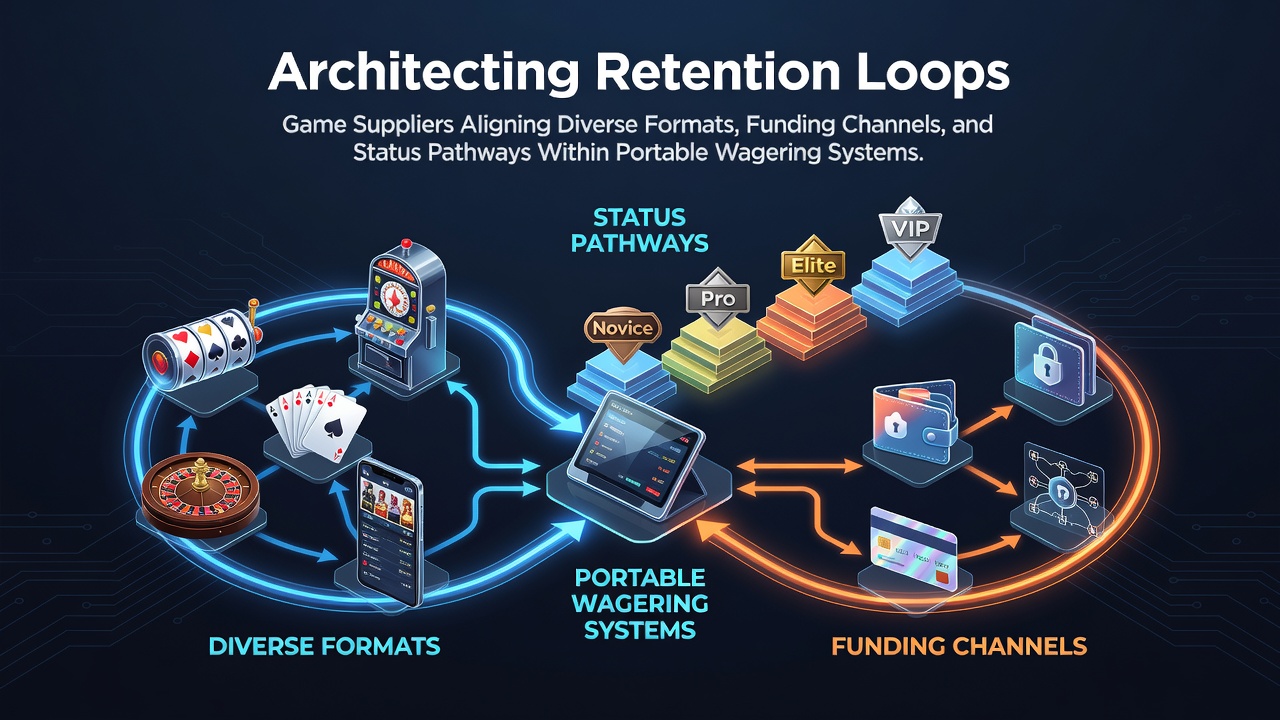
Game suppliers continue to refine retention loops by aligning slot mechanics with live dealer streams, table formats, and sports markets while routing funding options and status tiers through unified mobile interfaces, and data from industry analyses indicate that these alignments sustain user activity across multiple sessions when executed without friction.
Developers coordinate real-time updates that pull content from diverse categories into single dashboards, allowing seamless switches between reel spins and in-play sports wagers, and observers note that this coordination reduces drop-off rates because players encounter familiar navigation patterns regardless of the chosen format.
Aligning Content Formats Within Single Sessions
Suppliers integrate slot libraries with live casino feeds and table games through shared backend protocols, while sports betting modules receive parallel data streams that update odds alongside ongoing slot progressions, and this setup lets users maintain momentum when shifting from one category to another without reloading separate applications.
August 2026 deployments have featured API layers that synchronize bonus triggers across formats, so a player completing a table game round can immediately access a sports accumulator funded by the same balance, and figures from platform audits reveal higher session lengths when these connections operate without latency.
Funding Channels Supporting Continuous Play
Payment gateways now embed directly into the same retention frameworks that manage game catalogs, enabling instant deposits that credit accounts while preserving VIP points earned from prior activity, and researchers tracking transaction patterns across European operators report that integrated wallets cut abandonment during deposit steps by measurable percentages.
Alternative channels such as instant bank transfers and digital wallets receive equal treatment within the architecture, allowing users to select methods based on preference without leaving the primary interface, and this flexibility supports longer engagement cycles because funding interruptions stay minimal.
Status Pathways That Reinforce Loyalty
VIP structures operate as extensions of the core loop rather than separate programs, with progression metrics drawn from combined activity across slots, tables, live dealer tables, and sports markets, and analysts from the American Gaming Association document how unified tracking systems encourage repeated deposits to unlock higher tiers.
Milestone rewards appear automatically once thresholds are met, and the rewards themselves often tie back into game content through free spins or enhanced odds, creating a closed circuit where status gains fuel additional play, while data indicates that players who reach mid-tier status within the first month show sustained activity over subsequent quarters.
Technical Foundations Enabling These Alignments
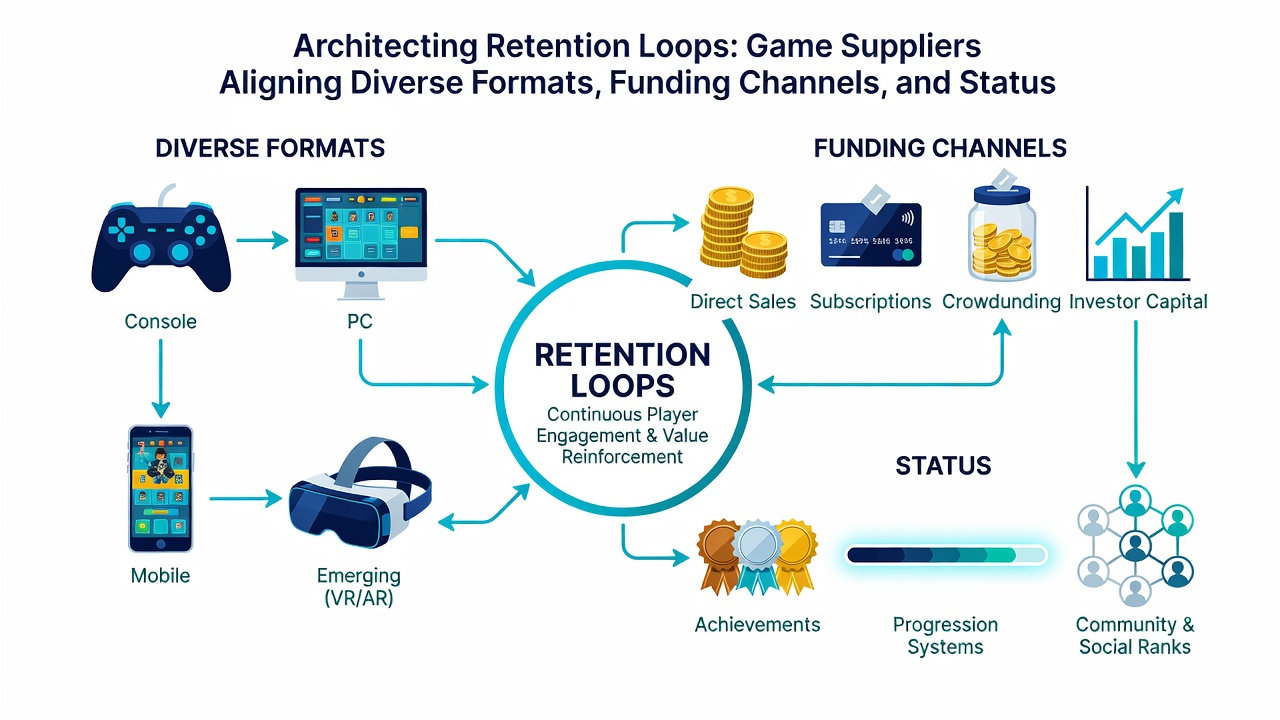
Cloud-based orchestration tools handle the synchronization of game engines, payment processors, and loyalty databases, and suppliers deploy containerized services that scale during peak periods without disrupting ongoing sessions, whereas earlier architectures required separate logins for each component.
Security protocols now span all three pillars, with encryption standards applied uniformly to gameplay logs, transaction records, and status histories, and compliance frameworks from bodies such as the Gaming Standards Association provide guidelines that suppliers reference when building these integrated environments.
Case studies from major providers illustrate how modular design allows quick addition of new game formats or payment methods without rebuilding the entire retention structure, and those who maintain these systems report that updates can roll out across regions within days rather than weeks.
Regional Variations in Implementation
Operators in North America emphasize sports betting integration within retention loops because market demand skews toward live events, whereas European platforms allocate more resources to live casino and table alignments, yet both approaches rely on the same underlying supplier architectures to connect funding and status elements.
Research papers published through academic gaming studies highlight that mobile-specific constraints, such as smaller screen real estate, drive the need for consolidated menus that surface relevant options based on user history, and algorithms adjust recommendations to keep players within the loop rather than navigating away.
Conclusion
Suppliers continue to refine these retention architectures by treating game formats, funding channels, and status pathways as interdependent components rather than isolated features, and ongoing platform data shows measurable improvements in session duration and return rates when alignments remain consistent across updates.
Future iterations are expected to incorporate additional data points from user behavior to further tighten these loops, maintaining the factual progression of integrated mobile wagering systems without introducing new fragmentation points.